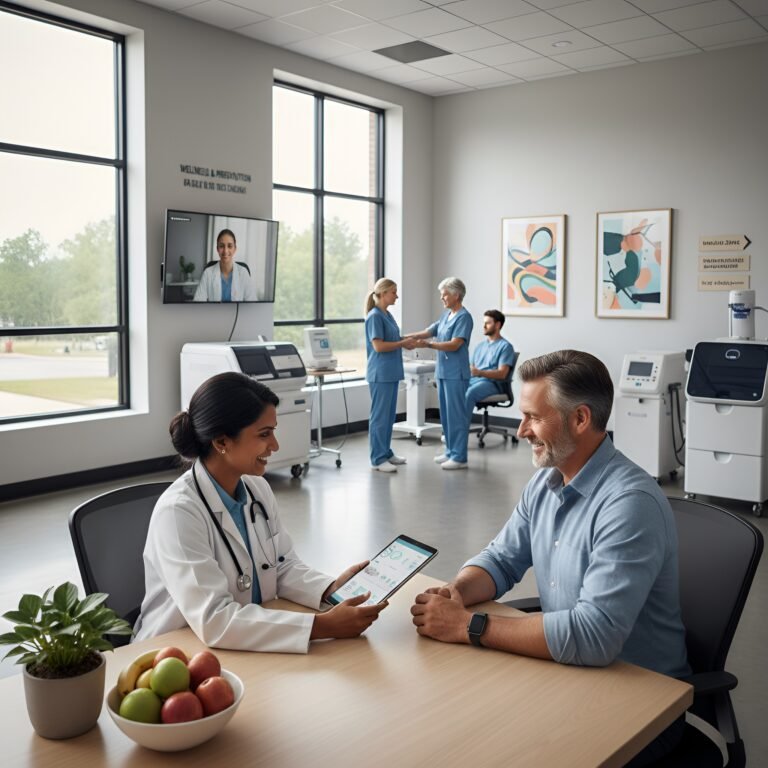
Modern medical care has undergone a remarkable transformation over the past few decades. What was once focused primarily on treating illnesses after they appeared has evolved into a comprehensive, patient-centered approach emphasizing prevention, early diagnosis, effective treatment, and long-term wellness.
Today’s healthcare combines advanced technology, evidence-based medicine, and holistic care models to improve patient outcomes and quality of life. Understanding modern medical care—from preventive strategies to cutting-edge treatments—empowers individuals to make informed decisions and take an active role in their health journey.
In this guide, we’ll explore the core components of modern medical care, the importance of prevention, the latest diagnostic and treatment advances, and the future of healthcare.
The Evolution of Modern Medical Care
Healthcare has shifted from reactive treatment to proactive, patient-focused care. In the past, medical systems primarily managed acute illnesses and life-threatening conditions. While this approach saved countless lives, it often overlooked prevention and long-term disease management.
Key Changes in Healthcare Over Time:
- Shift from illness-centered to patient-centered care
- Greater emphasis on prevention and early intervention
- Integration of technology and digital health tools
- Focus on evidence-based and personalized medicine
Modern healthcare prioritizes understanding the whole person—not just symptoms. Lifestyle, genetics, mental health, and environmental factors all inform medical decisions.
Preventive Care: The Foundation of Modern Healthcare
Preventive care is a cornerstone of modern medical care. It aims to maintain health, prevent disease, and detect potential health issues early.
What Is Preventive Medical Care?
Preventive care includes services designed to prevent illness, identify health conditions early, and reduce complications. These services are often covered by healthcare plans because they lower long-term costs and improve overall population health.
Common Types of Preventive Care:
- Routine health check-ups
- Vaccinations and immunizations
- Health screenings (blood pressure, cholesterol, cancer screenings)
- Lifestyle counseling (nutrition, exercise, smoking cessation)
Why Prevention Matters:
- Detects diseases like cancer, diabetes, and heart disease early
- Reduces hospitalizations and emergency care
- Improves life expectancy and quality of life
- Lowers overall healthcare costs
For example, regular blood pressure checks can prevent strokes and heart attacks, while timely cancer screenings enable early intervention and better outcomes.
Early Diagnosis and Modern Diagnostic Tools
Early diagnosis bridges prevention and treatment. Medical technology now allows clinicians to detect diseases faster and more accurately than ever before.
Advances in Diagnostic Technology:
- Advanced imaging: MRI, CT scans, and ultrasound
- Laboratory testing and biomarkers
- Genetic and molecular testing
- AI-assisted diagnostic systems
These tools enable healthcare providers to detect diseases at earlier stages, create personalized treatment plans, and monitor progress effectively.
The Role of Artificial Intelligence in Diagnosis
AI helps analyze medical images, identify patterns, and assist clinicians in diagnosing conditions such as cancer, neurological disorders, and cardiovascular disease. While AI does not replace doctors, it enhances accuracy and efficiency.
Modern Treatment Approaches
Today’s medical treatments go beyond traditional medication and surgery, focusing on precision, minimal invasiveness, and personalization.
Evidence-Based Medicine:
Treatments are grounded in scientific research and clinical trials, ensuring therapies are safe and effective.
Personalized and Precision Medicine:
Tailored to an individual’s genetics, lifestyle, and health history to:
- Reduce side effects
- Predict therapy responses
- Design targeted treatments for chronic and complex conditions
Minimally Invasive Procedures:
Advanced surgical techniques reduce recovery times and complications, including:
- Laparoscopic and robotic-assisted surgery
- Image-guided interventions
- Outpatient procedures with faster healing
Integrated Care for Chronic Conditions:
Managing chronic illnesses like diabetes, asthma, arthritis, and heart disease requires:
- Medication management
- Lifestyle modifications
- Physical therapy
- Mental health support
Technology’s Role in Modern Healthcare
Technology has transformed healthcare, enhancing access, communication, and patient engagement.
Telemedicine and Virtual Care:
Allows remote consultations, improving access in rural or underserved areas. Ideal for:
- Follow-up visits
- Chronic disease management
- Mental health services
Electronic Health Records (EHRs):
Enable seamless sharing of patient information between providers, reducing errors and improving continuity of care.
Wearable Health Devices:
Smartwatches and fitness trackers monitor:
- Heart rate and activity levels
- Sleep patterns
- Blood oxygen levels
These devices empower patients to take an active role in their health.
Holistic and Patient-Centered Care Models
Modern healthcare recognizes the connection between physical, mental, and emotional health.
Whole-Person Healthcare:
Patient-centered care focuses on:
- Respecting patient preferences and values
- Encouraging shared decision-making
- Supporting mental and emotional well-being
Integrative Medicine:
Combining conventional medicine with complementary approaches such as:
- Nutrition therapy
- Stress management
- Physical rehabilitation
- Behavioral health services
This approach promotes long-term wellness rather than only symptom relief.
Challenges in Modern Medical Care
Despite advancements, healthcare still faces challenges:
Accessibility and Affordability:
- Rising healthcare costs
- Unequal access to quality care
- Insurance coverage gaps
Health Literacy:
Patients may struggle to understand medical information, leading to delayed care or poor outcomes. Clear communication and education are essential.
Ethical and Data Privacy Concerns:
With digital tools and AI, protecting patient data and maintaining trust are top priorities.
The Future of Medical Care
Healthcare continues to evolve with innovation and a deeper understanding of human health.
Emerging Trends:
- AI-driven diagnostics and treatment planning
- Regenerative medicine and stem cell therapies
- Remote patient monitoring
- Emphasis on preventive and lifestyle medicine
The future of healthcare focuses on improving outcomes, expanding access, and delivering compassionate, personalized care.
Frequently Asked Questions (FAQs)
1. What is modern medical care?
A comprehensive approach emphasizing prevention, early diagnosis, evidence-based treatment, and patient-centered care using advanced technology.
2. Why is preventive care important?
It detects health issues early, reduces serious illness risk, lowers costs, and improves long-term health outcomes.
3. How does technology improve medical care?
It enhances diagnostic accuracy, treatment precision, telemedicine access, record management, and patient self-monitoring.
4. What is personalized medicine?
Tailored treatment based on a patient’s genetics, lifestyle, and medical history to improve effectiveness and minimize side effects.
5. How do patients benefit from patient-centered care?
It improves satisfaction, encourages shared decision-making, enhances communication, and leads to better health outcomes.
Take Control of Your Health Today
Modern medical care provides more tools, knowledge, and opportunities than ever to protect and improve your health. Schedule preventive screenings, consult healthcare providers, and adopt healthier lifestyle habits to take charge of your well-being.
Book an appointment with our medical specialists today to experience comprehensive, patient-focused care designed to support your health at every stage of life.