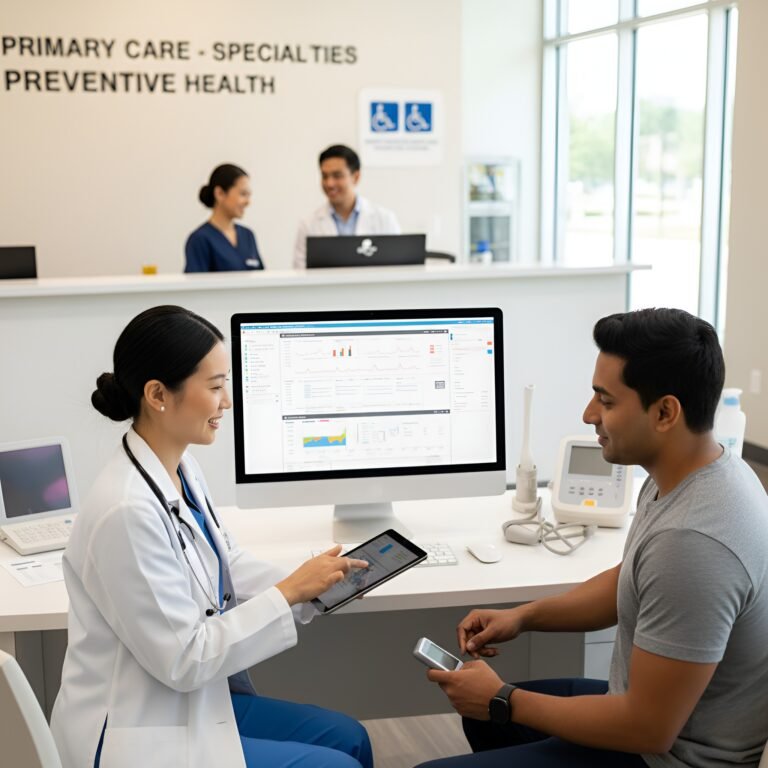
Accessible healthcare is a cornerstone of a healthy society. It ensures individuals and families receive timely, affordable, and high-quality medical care regardless of income, location, or background. When healthcare services are accessible, communities thrive, chronic conditions are managed effectively, and preventable illnesses are minimized.
Despite advances in medicine, millions still face barriers to care. Understanding the importance of accessible healthcare—and its impact on individuals, families, and communities—is essential for promoting healthier, more equitable outcomes.
What Is Accessible Healthcare?
Accessible healthcare means medical services are available, affordable, and usable by everyone. This includes hospitals, clinics, and the broader spectrum of care:
- Primary care services
- Preventive screenings and vaccinations
- Mental and behavioral health support
- Emergency and specialty care
- Maternal, pediatric, and geriatric services
True accessibility also considers insurance coverage, language support, disability accommodations, culturally competent care, and digital access, such as telehealth. It’s about removing barriers so patients can get care when and where they need it.
Why Accessible Healthcare Is Essential for Individuals
Early Detection and Preventive Care
One of the most significant benefits of accessible healthcare is early detection. Routine checkups and screenings allow healthcare providers to identify issues before they become serious.
Benefits include:
- Preventing disease progression
- Reducing complications
- Improving long-term health outcomes
- Lowering overall healthcare costs
Without access, many individuals delay treatment until conditions worsen, often leading to more complex and expensive care.
Effective Management of Chronic Conditions
Chronic illnesses like diabetes, heart disease, and asthma affect millions worldwide. Accessible healthcare enables consistent monitoring, treatment, and lifestyle guidance.
Benefits include:
- Fewer hospitalizations
- Reduced emergency visits
- Improved quality of life
- Increased life expectancy
Consistent access allows individuals to manage their health proactively rather than reactively.
Improved Mental Health Support
Mental health is vital to overall well-being. Accessible healthcare ensures therapy, counseling, medication management, and crisis support are available when needed.
Accessible mental health services can:
- Address anxiety, depression, and substance use disorders early
- Reduce suicide risk
- Support emotional well-being
Reducing barriers to mental healthcare encourages individuals to seek help without stigma.
Why Accessible Healthcare Matters for Families
Healthier Children and Stronger Development
Children rely on accessible healthcare for vaccinations, growth monitoring, and developmental screenings. Families with consistent access ensure children grow up healthy and reach key milestones.
Benefits include:
- Timely childhood immunizations
- Early intervention services
- Nutritional and lifestyle guidance
- Behavioral and learning assessments
Healthy children are more likely to succeed academically, socially, and emotionally.
Reduced Financial Stress
Medical expenses are a leading cause of financial strain for families. Accessible healthcare, especially affordable primary care, helps families avoid unexpected bills.
Benefits include:
- Fewer emergency visits
- Lower out-of-pocket expenses
- Financial stability and peace of mind
- Better focus on caregiving and work
Support for Aging Family Members
As families care for elderly relatives, access to healthcare becomes increasingly crucial. Accessible services help manage chronic illnesses, mobility challenges, and age-related conditions.
Family-centered healthcare ensures:
- Continuity of care across generations
- Support for caregivers
- Reduced caregiver burnout
- Improved quality of life for seniors
Barriers to Accessible Healthcare
Many people still face obstacles to care. Common barriers include:
- Financial Barriers: High costs, limited insurance, and out-of-pocket expenses prevent many from seeking care.
- Geographic Barriers: Rural areas may lack clinics, hospitals, and specialists, creating travel challenges.
- Cultural and Language Barriers: Language differences, cultural misunderstandings, and limited culturally competent care can discourage patients.
- Digital Access Challenges: Telehealth improves access, but not everyone has reliable internet or the digital literacy to use online services.
The Role of Preventive and Primary Care
Primary care forms the foundation of accessible healthcare. A strong primary care system helps families navigate healthcare efficiently.
Key benefits include:
- Long-term patient-provider relationships
- Coordinated care across specialists
- Preventive screenings and immunizations
- Health education and guidance
Preventive care reduces the burden of chronic illness and promotes long-term wellness for the whole family.
How Accessible Healthcare Strengthens Communities
- Healthier Populations: Reduces disease prevalence and prevents complications.
- Economic Benefits: Healthy populations are more productive, with fewer missed workdays and lower public health costs.
- Reduced Health Inequities: Promotes equity across income levels, locations, and ethnic groups, leading to stronger communities.
The Growing Role of Telehealth
Telehealth has expanded healthcare access by offering remote consultations, particularly for rural or underserved areas.
Benefits include:
- Convenience for busy families
- Access to specialists without travel
- Improved follow-up care
- Support for patients with mobility challenges
When combined with in-person care, telehealth enhances accessibility and continuity.
Strategies to Improve Healthcare Accessibility
Healthcare providers can enhance access by:
- Offering flexible appointment schedules
- Providing transparent pricing and affordable care options
- Expanding telehealth services
- Ensuring language, cultural, and disability accommodations
- Educating patients about preventive care
Patient-centered approaches foster trust and improve outcomes across populations.
The Future of Accessible Healthcare
The future of healthcare depends on innovation, collaboration, and equity-focused policies. Policymakers, providers, and communities must work together to remove barriers.
Emerging solutions include:
- Value-based care models
- Community health programs
- Digital health tools and telemedicine expansion
- Expanded insurance coverage
Accessible healthcare is a societal necessity, not just a personal benefit.
Frequently Asked Questions (FAQs)
1. Why is accessible healthcare important?
It ensures timely, affordable care, improves health outcomes, and supports early disease detection.
2. What are the main barriers to healthcare access?
High costs, limited insurance, geographic distance, language challenges, and provider availability are primary obstacles.
3. How does accessible healthcare benefit families?
It supports preventive care, reduces financial stress, ensures child development, and provides consistent care for aging relatives.
4. What role does preventive care play?
Preventive care allows early detection, reduces emergency visits, and lowers long-term healthcare costs.
5. How does telehealth improve healthcare access?
Telehealth provides remote consultations, especially for rural patients, busy families, and those with mobility limitations.
Take Control of Your Healthcare Today
Accessible healthcare can transform lives. If you or your family need compassionate, affordable, and patient-centered care, schedule an appointment with our healthcare team today.
We are dedicated to providing high-quality care that supports your well-being at every stage of life. Contact us now and take the first step toward better health for you and your loved ones.