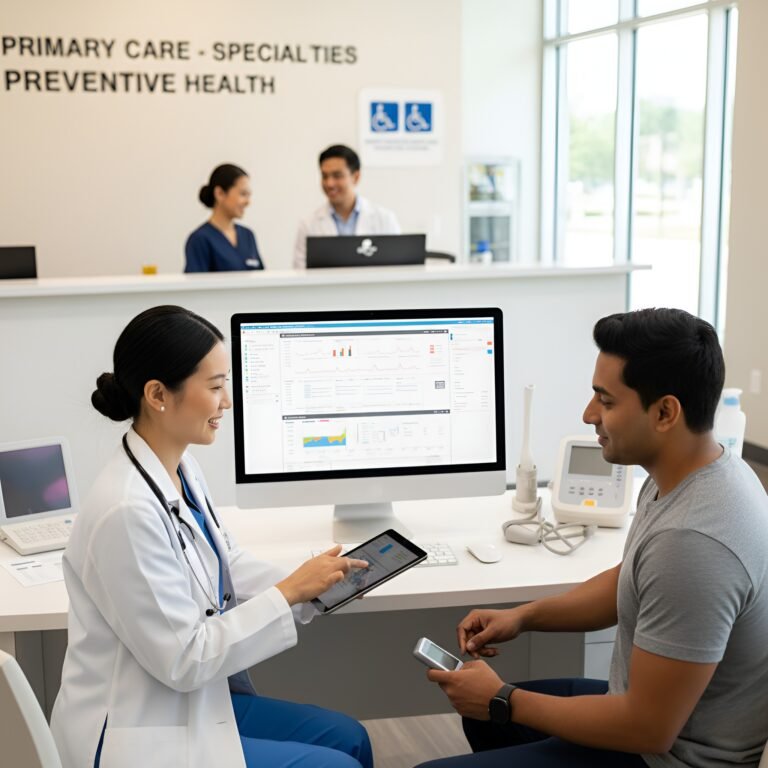
In today’s fast-paced world, healthcare is no longer just about treating illness—it’s about preventing disease before it starts and detecting health issues at their earliest, most treatable stages. Preventive healthcare and early diagnosis represent a smarter, more sustainable approach to wellness, empowering individuals to live healthier, longer, and more productive lives.
With chronic diseases accounting for a significant portion of global healthcare costs and mortality, focusing on prevention and early detection is no longer optional—it’s essential. From routine health screenings to lifestyle adjustments and advanced diagnostic tools, preventive healthcare is transforming how we approach long-term well-being.
This guide explores what preventive healthcare is, why early diagnosis matters, key screenings by age, and how proactive care improves quality of life, helping you make informed health decisions.
What Is Preventive Healthcare?
Preventive healthcare encompasses medical services and lifestyle strategies aimed at preventing diseases, injuries, or complications before they occur. Rather than waiting for symptoms to appear, preventive care identifies risk factors early and reduces them through timely interventions.
Core Components of Preventive Healthcare
Preventive healthcare typically includes:
- Routine health checkups and physical exams
- Vaccinations and immunizations
- Health screenings and diagnostic tests
- Lifestyle counseling (nutrition, exercise, stress management)
- Early disease detection and monitoring
These measures reduce disease risk, detect conditions early, and prevent complications, ultimately improving health outcomes and lowering healthcare costs.
Why Early Diagnosis Is Critical for Better Health Outcomes
Early diagnosis plays a crucial role in healthcare by identifying diseases before they progress. Many serious conditions—such as cancer, diabetes, heart disease, and hypertension—develop silently, showing few or no symptoms in their early stages.
Benefits of Early Diagnosis
Early detection offers several important advantages:
- Higher treatment success rates
- Less invasive and more affordable treatments
- Reduced risk of complications
- Improved survival and quality of life
- Lower long-term healthcare expenses
For instance, detecting cancer early often allows simpler treatments and higher survival rates. Similarly, identifying high blood pressure or elevated blood sugar early can prevent heart attacks, strokes, and kidney disease.
The Long-Term Benefits of Preventive Healthcare
Preventive healthcare doesn’t just protect against disease—it supports overall wellness at every stage of life.
- Reduced Risk of Chronic Diseases
Regular screenings and healthy habits can lower the risk of chronic conditions such as:
- Heart disease
- Type 2 diabetes
- Obesity
- Osteoporosis
- Certain cancers
- Improved Quality of Life
Early detection means fewer symptoms, less discomfort, and better mental well-being, helping individuals stay active and independent longer. - Lower Healthcare Costs
Preventing disease or catching it early is far more cost-effective than managing advanced illness. Preventive care reduces:
- Hospitalizations
- Emergency room visits
- Long-term medication use
- Surgical interventions
- Increased Life Expectancy
Studies show that individuals prioritizing preventive healthcare live longer, healthier lives. Early diagnosis enables timely interventions, improving survival rates for serious illnesses.
Key Preventive Screenings Everyone Should Know About
Screenings vary based on age, gender, family history, and lifestyle risk factors. Here are common recommendations:
General Preventive Screenings
- Blood pressure monitoring
- Blood sugar (diabetes) tests
- Cholesterol testing
- Body mass index (BMI) assessment
- Vision and hearing tests
Preventive Screenings by Age
In Your 20s and 30s
- Annual physical exams
- STI screenings
- Mental health evaluations
- Skin cancer checks
- Pap smears (for women)
In Your 40s and 50s
- Mammograms
- Colon cancer screening
- Prostate health checks
- Cardiovascular risk assessments
Age 60 and Above
- Bone density tests
- Cancer screenings
- Cognitive health evaluations
- Fall risk assessments
Consulting a healthcare provider ensures personalized screening schedules based on your individual risk profile.
The Role of Lifestyle in Preventive Healthcare
Preventive healthcare extends beyond medical visits—it’s closely linked to everyday lifestyle choices.
Nutrition and Preventive Health
A balanced diet rich in fruits, vegetables, whole grains, lean proteins, and healthy fats supports:
- Heart health
- Immune function
- Weight management
- Disease prevention
Reducing processed foods, sugar, and excess salt further lowers disease risk.
Physical Activity and Wellness
Regular exercise helps prevent:
- Cardiovascular disease
- Obesity
- Depression
- Type 2 diabetes
Even moderate activity, like 30 minutes of brisk walking daily, delivers significant health benefits.
Stress Management and Mental Health
Chronic stress negatively affects both physical and mental health. Preventive care includes:
- Stress reduction techniques
- Adequate sleep
- Mental health screenings
- Mindfulness and relaxation practices
How Technology Is Advancing Early Diagnosis
Medical technology is revolutionizing preventive healthcare.
Innovations in Diagnostic Tools
- Advanced imaging (MRI, CT scans, ultrasound)
- Genetic testing and personalized medicine
- Wearable health monitoring devices
- AI-assisted diagnostic systems
These innovations allow healthcare providers to detect diseases earlier and more accurately.
Telemedicine and Preventive Care
Telehealth improves access to preventive healthcare through:
- Virtual consultations
- Remote monitoring of chronic conditions
- Early symptom assessment
- Follow-up care without travel
This benefits patients in remote or underserved areas.
Preventive Healthcare for Families and Communities
Preventive healthcare benefits individuals, families, and communities.
Family Health Benefits
- Early detection of hereditary conditions
- Health education for children and adolescents
- Reduced caregiving burden
Community-Level Impact
- Lower public healthcare costs
- Reduced disease transmission
- Healthier, more productive populations
Overcoming Barriers to Preventive Healthcare
Preventive healthcare is often overlooked due to:
- Lack of awareness
- Fear of diagnosis
- Time constraints
- Cost concerns
Addressing these barriers through education, accessible care, and insurance coverage is essential to improving health outcomes.
FAQs: Preventive Healthcare and Early Diagnosis
1. What is the main goal of preventive healthcare?
To prevent disease, detect health issues early, reduce complications, and improve long-term health and quality of life.
2. How often should I get preventive health checkups?
Most adults should have annual checkups, though frequency depends on age, medical history, and risk factors.
3. Can early diagnosis really save lives?
Yes. Early diagnosis improves treatment success, reduces complications, and increases survival rates for many serious conditions.
4. Is preventive healthcare expensive?
Preventive care is generally more affordable than treating advanced disease and is often covered by insurance plans.
5. What lifestyle changes support preventive healthcare?
Healthy eating, regular exercise, stress management, adequate sleep, and avoiding tobacco and excessive alcohol all support preventive health.
Take Charge of Your Health Today
Preventive healthcare and early diagnosis empower you to take control of your well-being before problems arise. Don’t wait for symptoms to dictate your health decisions.
Schedule your preventive health checkup today, stay informed about recommended screenings, and partner with trusted healthcare professionals to build a healthier future for yourself and your family.
Your health is your greatest asset—protect it with proactive, preventive care.