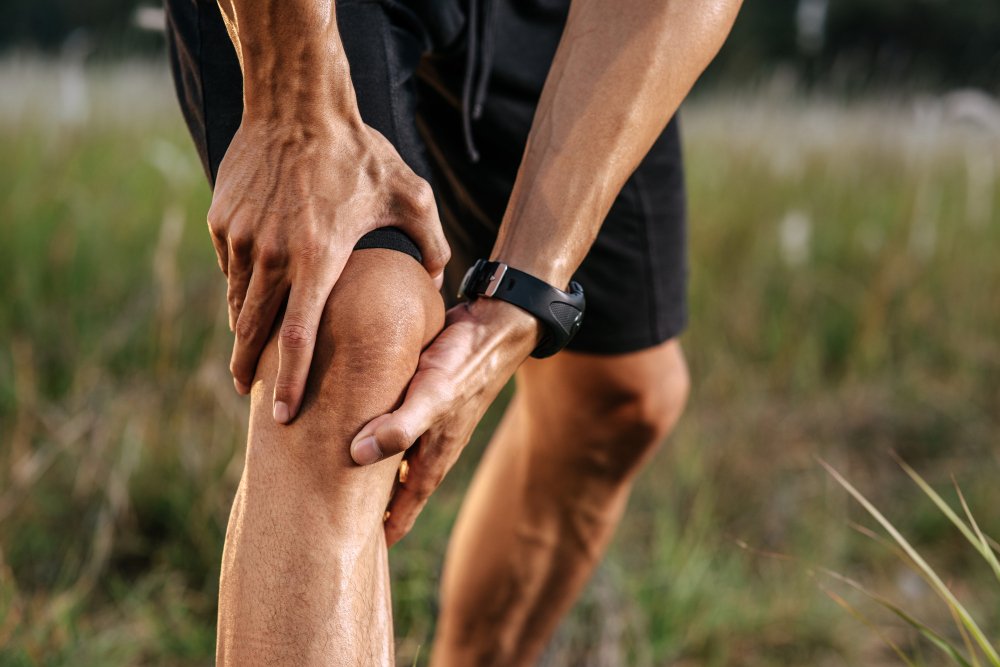
When you live and work in a community as active and industrious as San Bernardino, physical discomfort is often something we learn to push through. Whether you are coming home from a long shift on your feet or spending your weekend looking after your family, a nagging, deep ache in your limbs or back can start to feel like an unavoidable part of your routine. Many people are quick to dismiss this discomfort as “just getting older” or a simple result of a hard day’s work. However, in the medical world, there is a profound and significant difference between pain that originates in your joints—frequently diagnosed as arthritis—and pain that comes from the bone tissue itself.
While the wear-and-tear of our joints is incredibly common as we age, true bone pain is a distinct symptom that can signal a completely different, and sometimes far more urgent, underlying medical issue. At San Bernardino Clinica Medica, our mission is to help you decode these signals. We believe that understanding the subtle but critical differences between these two types of pain is the essential first step toward finding the right treatment and ensuring a faster, more complete recovery. You don’t have to live with the mystery of a “bone-deep” ache; our team is here to provide the clarity you need.
Understanding the Source: Where Does it Hurt?
To differentiate between these two types of discomfort, it helps to understand the basic structures of your skeletal system. When you visit us for a consultation, your provider will work closely with you to pinpoint which area is the primary source of your distress. Identifying the “where” and the “how” of the pain allows us to create a targeted care plan.
| Feature | Arthritis / Joint Pain | True Bone Pain |
| Primary Source | The cartilage, ligaments, and the protective joint capsule. | The hard bone tissue, the marrow, or the sensitive outer “skin” of the bone (periosteum). |
| Sensation | Usually felt as a stiff, grating, or dull aching sensation. It often feels like “rust” in a hinge. | Described as a deep, piercing, throbbing, or a constant, heavy “bruise” feeling. |
| Impact of Movement | Typically feels worse when you start moving or after long periods of sitting or resting. | Often constant and unrelenting; changing your position or resting rarely provides relief. |
| Common Causes | Osteoarthritis, Rheumatoid Arthritis, Gout, or old sports injuries. | Fractures, bone infections (Osteomyelitis), or significant loss of bone density. |
The Hallmark Signs of Arthritis: Joint Inflammation
Arthritis is fundamentally a condition of inflammation within the joints. While there are over 100 variations of this condition, Osteoarthritis (OA) and Rheumatoid Arthritis (RA) are the two most frequent issues we manage at San Bernardino Clinica Medica. Because joint pain is so tied to movement, it has very specific “tells” that our doctors look for during an exam.
One of the most common signs is what we call the “Morning Hitch.” Joint pain is notorious for being at its absolute worst when you first wake up. You might feel like you need to “grease the wheels” before you can get through your morning routine. Usually, once you start moving and the joint fluid begins to circulate, the stiffness slightly improves. We also look for visible inflammation; a joint struggling with arthritis may look swollen, appear red, or feel noticeably warm to the touch.
Symmetry is another vital clue. During your physical exam, your provider will look at the pattern of your pain. Osteoarthritis, which is caused by wear-and-tear, usually starts in one specific joint that has been stressed, such as your right knee or your left hip. In contrast, Rheumatoid Arthritis is an autoimmune condition that is often symmetrical, meaning it will affect both of your hands or both of your knees at the exact same time. Finally, many patients report “crepitus”—that unmistakable crunching or grinding sound you hear when you move, which occurs when the protective cartilage has worn thin and the bones are beginning to rub together.
The Unique and Intense Nature of True Bone Pain
True bone pain is a different experience entirely. It originates from inside the hard structure of the bone or the highly sensitive outer layer known as the periosteum. Because bones are filled with nerves, this type of pain is generally more localized and far more intense than standard joint stiffness.
Patients often describe bone pain as an unrelenting, penetrating throb. Unlike a sore joint that might feel better once you finally sit down and put your feet up, bone pain typically doesn’t stop. It is a deep-seated ache that feels like it is coming from the core of your limb. It is also acutely tender; if you press your finger directly on a specific spot on the bone shaft and feel a sharp, localized spike of pain, it is a strong indicator that the bone itself is involved rather than the surrounding joint.
Perhaps the most critical red flag is what we call the “Night Watch.” Pain that is so intense that it wakes you from a deep sleep—and does not subside no matter how much you toss, turn, or change your position—is a symptom that requires an immediate and thorough evaluation at our clinic. Furthermore, if your bone pain is accompanied by systemic symptoms like fever, chills, or unexplained weight loss, it could indicate a more serious infection or systemic issue that needs rapid medical intervention.
When to Visit San Bernardino Clinica Medica Immediately
Because the causes of musculoskeletal pain range from simple age-related wear to more serious medical conditions, timing is everything. In San Bernardino, we look out for our neighbors, and that means encouraging you to listen to your body before a small ache becomes a major crisis. Please seek medical attention at our clinic if you experience any of the following:
- Night-Time Awakening: Persistent, deep pain that prevents you from falling asleep or wakes you up in the middle of the night.
- Sudden Inability to Bear Weight: If you suddenly find that you cannot stand or put pressure on a leg, or if you lose the ability to use an arm.
- Fever or Chills: When deep pain is paired with signs of a possible infection, such as a high temperature or shivering.
- Trauma-Related Pain: Any deep, localized ache following a fall, a car accident, or a workplace injury that does not show signs of improvement within 24 hours.
How Our Medical Team Solves the Mystery
When you visit San Bernardino Clinica Medica for skeletal pain, we follow a systematic and compassionate diagnostic path to ensure we find the right answer. We start by listening to your clinical history. We want to know exactly when the pain started, if it was sudden or gradual, and what the sensation feels like. This conversation is often the most important part of the diagnosis.
Your provider will then perform a targeted physical exam. We check your range of motion and the stability of your joints. We use a technique called “palpation” to feel exactly where the tenderness is located—distinguishing between the joint capsule and the bone shaft itself. To confirm our findings, we utilize advanced diagnostic testing. This may include blood panels to look for markers of inflammation (like CRP) or specific indicators for conditions like Rheumatoid Factor.
We also utilize imaging services. X-rays are the gold standard for a first look, as they allow us to see fractures, joint spacing, and structural changes in the bone. If we need a more detailed view of the soft tissues or the interior of the bone, we will coordinate an MRI or a CT scan. Finally, your family doctor at San Bernardino Clinica Medica will act as your health coordinator. If your diagnosis reveals a complex injury or an inflammatory condition that needs a specialist, we manage the referral and ensure your medical history is communicated clearly so you get the best possible care.
Partner with Us for Better Mobility
Don’t let a “nagging ache” or “bone-deep” pain limit your life and keep you from the things you love. Whether you are dealing with a manageable case of arthritis or a more complex bone issue, the team at San Bernardino Clinica Medica is here to provide the answers and the relief you deserve. Your mobility is your independence, and we are dedicated to helping you stay strong and active in our community.